
 News & Tips
Introduction
Sri Lanka’s Cultural Triangle is more than a collection of ancient ruins — it’s the living soul of a 2,000-year-old civilization. Nestled in the heart of the island, this region connects Anuradhapura, Polonnaruwa, and Sigiriya, forming a triangle of sacred cities, royal palaces, and world-famous temples.
If you’re seeking to explore the roots of Buddhism, architecture, and artistry, the Cultural Triangle is where Sri Lanka’s heart still beats — and Ceyland Tours is your perfect guide.
Anuradhapura – The Cradle of Buddhism
Your journey begins in Anuradhapura, Sri Lanka’s first great capital. Founded in the 4th century BCE, it’s one of the oldest continuously inhabited cities in Asia.
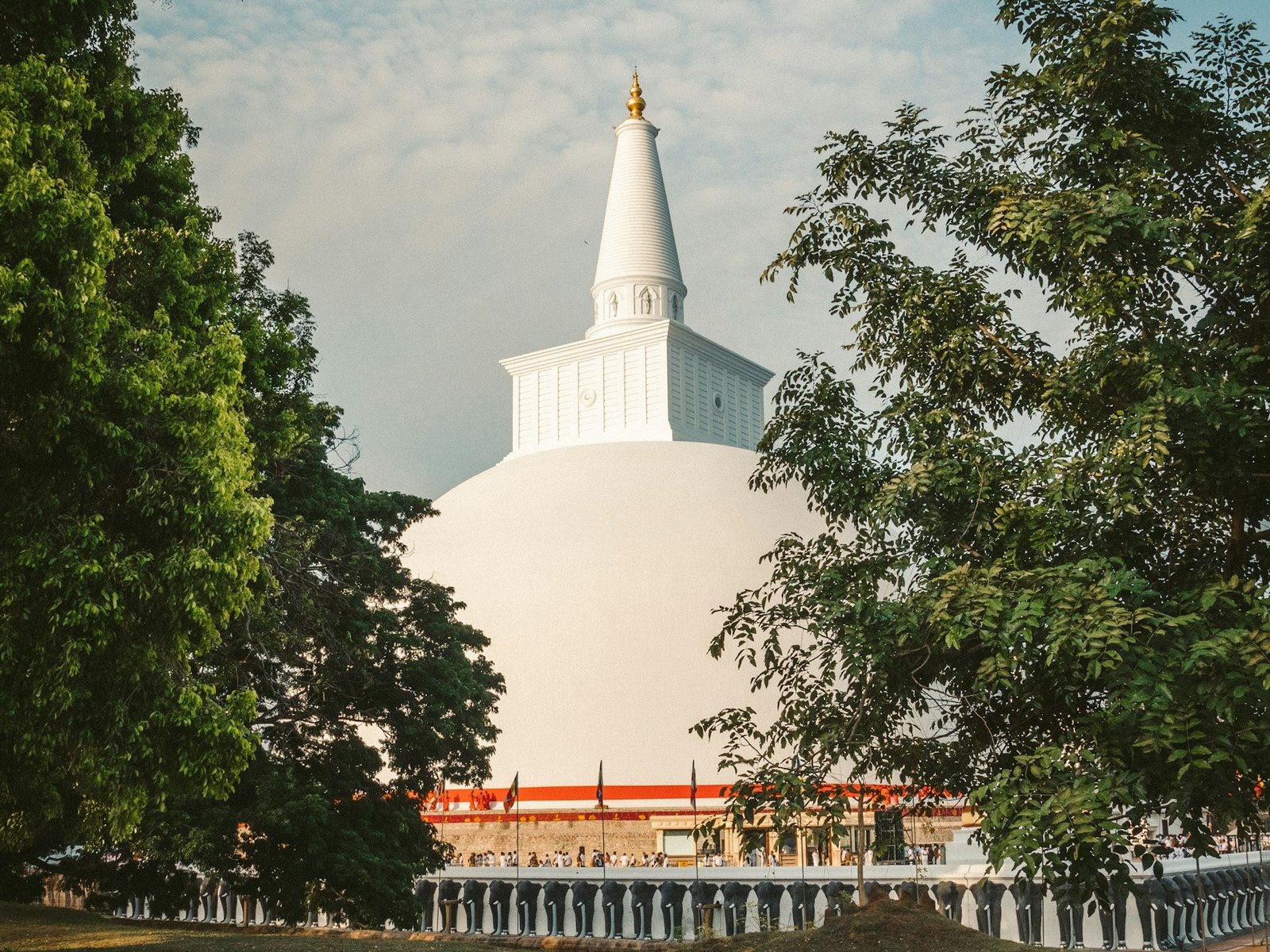
Wander among towering stupas like Ruwanwelisaya and Jetavanaramaya, once architectural wonders of the ancient world. Don’t miss the Sri Maha Bodhi Tree — grown from a cutting of the very tree under which Buddha attained enlightenment in India.
An early morning visit, when locals bring flowers and incense, offers a spiritual calm that no photograph can capture.
Travel Tip: Ceyland Tours offers guided cycling routes through Anuradhapura’s sacred zones — the best way to connect with its tranquil atmosphere.
Polonnaruwa – The Ancient Royal City
A few hours southeast lies Polonnaruwa, the second capital of ancient Sri Lanka. This UNESCO World Heritage Site flourished during the 12th century under King Parakramabahu the Great.
Today, its well-preserved ruins tell stories of a golden age — from the Royal Palace Complex to the stunning rock-carved Buddha statues of Gal Vihara.
Cycling is the best way to explore, gliding past lotus ponds, monasteries, and ancient irrigation systems that still function today.
Highlight Experience: Join Ceyland Tours’ heritage package to Polonnaruwa — complete with expert guides who bring to life centuries of Buddhist devotion and royal grandeur.
Sigiriya – The Lion Rock Fortress
Rising dramatically above the jungle plains, Sigiriya is Sri Lanka’s most iconic landmark. Built in the 5th century by King Kashyapa, this rock fortress blends architecture, art, and legend.
Climb 1,200 steps to discover mirror walls, frescoes of celestial maidens, and breathtaking panoramic views from the summit palace. It’s a journey that combines physical adventure with timeless beauty.
Best Time to Visit: Early morning for cooler weather and the soft glow of sunrise — perfect for photographers and climbers alike.
Dambulla Cave Temples – The Mountain of a Thousand Buddhas
Located between Sigiriya and Kandy, Dambulla features magnificent cave temples carved into a single rock outcrop. Inside, hundreds of Buddha statues and frescoes span centuries of devotion.
This site has been a monastery for over 2,000 years, and visiting it feels like stepping into a living museum of faith.
Insider Tip: Combine Dambulla and Sigiriya in a single-day tour with Ceyland Tours for an immersive heritage circuit.
Mihintale – The Birthplace of Buddhism in Sri Lanka
Just outside Anuradhapura lies Mihintale, where Buddhism was first introduced to the island. A scenic climb of 1,840 steps rewards visitors with panoramic views and peaceful meditation spots.
Sunset here is magical — golden light floods the stupas and forests below.
Why Visit the Cultural Triangle with Ceyland Tours
- Expert Local Guides: Learn hidden histories beyond the guidebook.
- Comfortable Transfers: Air-conditioned private vehicles between sites.
- Flexible Itineraries: Combine culture with nature, wellness, or photography tours.
- Authentic Stays: Boutique hotels and eco-lodges that blend comfort with culture.
Conclusion
The Cultural Triangle is more than just ruins and relics — it’s the story of Sri Lanka’s identity. Every stone, carving, and temple reflects a chapter of wisdom, artistry, and devotion.
Whether you’re a historian, photographer, or first-time traveler, exploring this region with Ceyland Tours will deepen your connection to the island’s spirit — past and present.
Plan your journey today and walk through history where faith, art, and humanity converge under the Sri Lankan sun.


